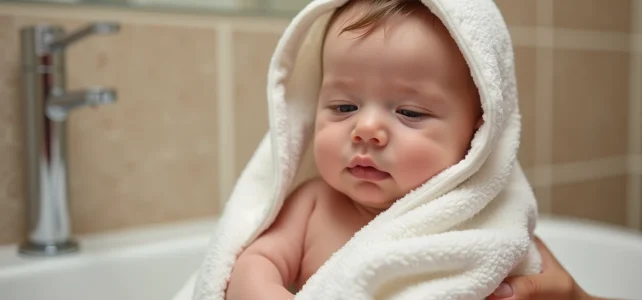
A baby may show unusual signs of fatigue just after a bath, even if the duration or temperature of the water seems appropriate. Some infants, who were well-rested beforehand, fall asleep quickly or become fussy in the minutes that follow.
Reactions vary from child to child, but this drop in energy is not uncommon. Several physiological or behavioral factors contribute to this phenomenon, often underestimated by parents.
Fatigue after the bath: a common phenomenon in babies
The bath is not just a simple hygiene moment for the infant: it shapes a reference point, a structured pause in the day. However, behind this ritual, it also leads to a sometimes marked fatigue. As soon as the child is immersed in water, even if it is at 37°C and the room remains at 22-24°C, their body temperature drops slightly. This small shift is not insignificant: it sends a clear signal to the body, that of relaxation and preparation for sleep. The little ones, hypersensitive to these changes, then feel an imperative need for calm after the bath. The bath routine, repeated with care, introduces a beneficial rhythm to the baby’s day. It improves the quality of sleep, provided the recommended bathing frequency is respected: two to three times a week is more than sufficient. This rhythm is perfectly suited to the child’s fragile skin, which risks irritation and dryness in case of excess. Increasing baths risks unnecessary fatigue and attacking the skin barrier.
To better understand the topic, Kids Sitter’s advice highlights the true needs of little ones. Focusing on a stable environment, reducing stimulation upon exiting the water, incorporating a massage or a soft song into the sequence: all of this contributes to a smoother transition. The bath then becomes a key, soothing step that respects the biological rhythm of the infant. Keeping an eye on the temperature, the duration of the bath, and the atmosphere of the shared moment allows this temporary fatigue to be seen as a sign of well-being rather than exhaustion.
What signs indicate that baby is exhausted after the bath?
After the bath, certain details are telling: the infant sometimes displays signs of fatigue that need to be recognized. As soon as they are out of the water, the temperature change can trigger a mild thermal shock, shivers, jumps, arms spreading out. This famous Moro reflex is often accompanied by a few brief but intense cries. For some babies, fatigue manifests as slowed movement: heavy eyelids, repeated yawning, less assured gestures. Others, on the contrary, become more energetic, demand to be held, or cry continuously. One can also notice the need to suck, a gaze that turns away, or an irresistible desire to fall asleep.
Here are some signals to watch for to detect post-bath exhaustion:
- Persistent or sudden crying after leaving the bath
- Disordered gestures, arms spread (Moro reflex)
- Yawning, red eyes, drooping eyelids
- Seeking comfort from the parent
When these signs occur regularly, it’s time to create a peaceful atmosphere to facilitate the transition to rest. Note: parental stress, even if subtle, does not escape the baby’s perception and can amplify their agitation. Adopt a calm and composed attitude: this well-orchestrated bath ritual becomes a cornerstone of the child’s daily rhythm.
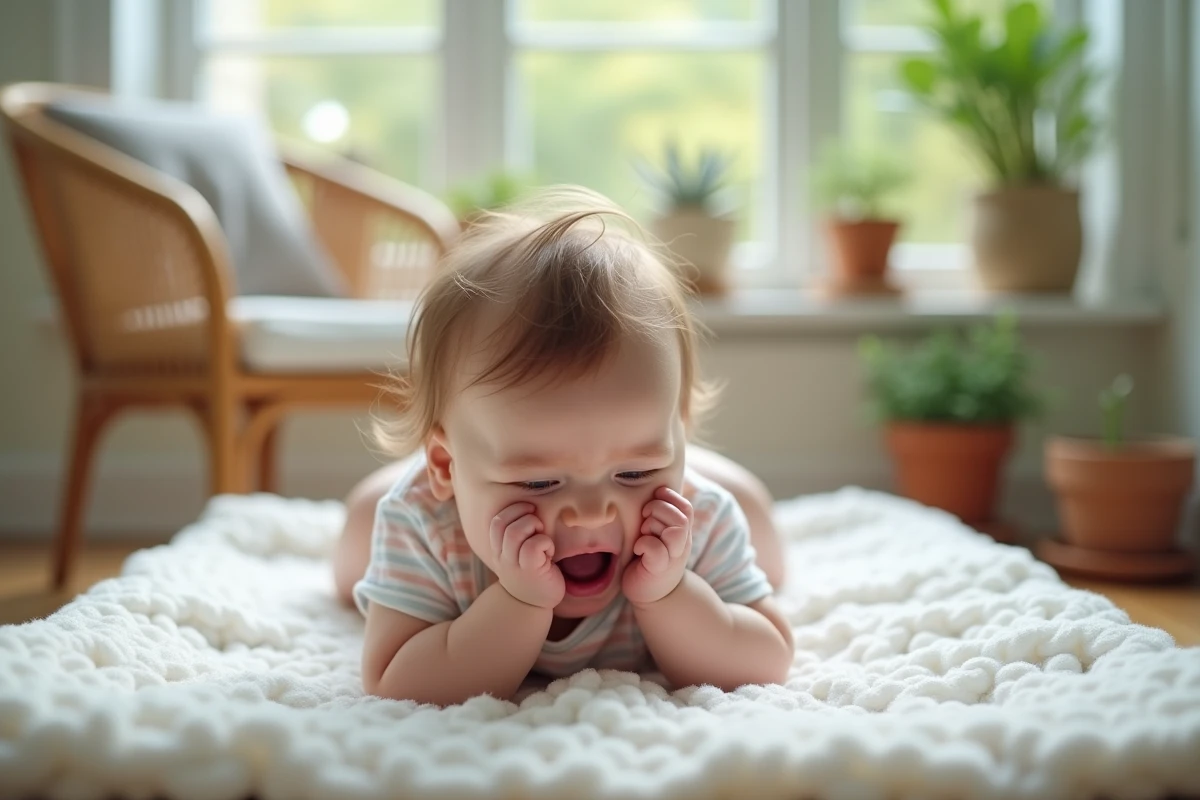
Simple tips to help your child relax and recover peacefully
It’s better to anticipate so that this moment doesn’t turn into a battle. Above all, prepare the environment: the room should be between 22 and 24°C, the towel should be within reach, and the clothes should be ready and comfortable. Keep the bath water at 37°C to avoid any thermal shock that could worsen the feeling of fatigue or trigger crying upon exit. The exit from the bath should be calm but efficient: dry the baby without rushing, and dress them quickly to limit heat loss.
Another tip: the wrapped bath. Keep the infant partially wrapped in a thin blanket. This reassuring gesture reduces the jumps related to the Moro reflex, providing the baby with the necessary security to approach relaxation or sleep.
Then follow up with a gentle massage. This contact soothes tensions and nourishes the parent-child relationship. Choose hypoallergenic products suitable for delicate skin, free from fragrances or dyes, to avoid redness.
Some parents gradually introduce calm games during the bath, which helps to better accept this moment and make it a positive experience. However, once the child is out, prioritize discretion and a calm voice to gradually guide them towards relaxation.
To facilitate recovery after the bath, consider these key points:
- Prepare the room at 22-24°C
- Check the water temperature at 37°C
- Dry and dress quickly
- Massage with gentle products
- Create a soothing atmosphere after the bath
Over the weeks, these gestures become reassuring markers. The child, bathed in softness and warmth, then more willingly surrenders to rest. And the bath, far from being just a step, becomes an invitation to tranquility, to be repeated without moderation.